
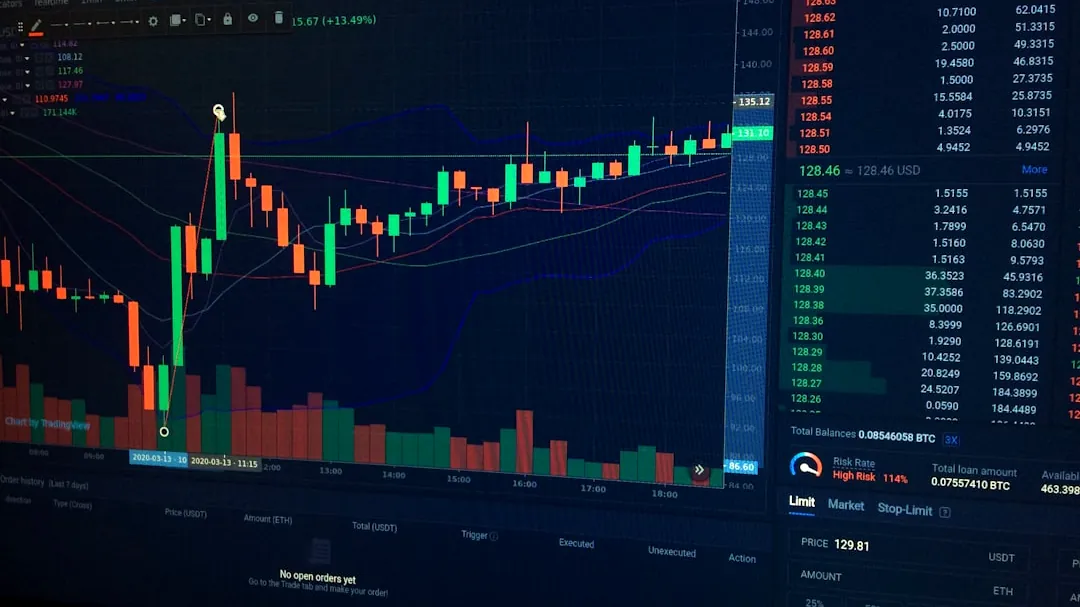
Vitalik Buterin‘s recent decision to offload substantial amounts of Ethereum (ETH) has ignited a firestorm of debate about market stability and liquidity. This move comes at a precarious time, as ETH prices have plummeted from around $1,988 to $1,875, raising urgent questions about the implications of such a high-profile sale.
What happened
Vitalik Buterin has begun selling significant portions of his Ethereum holdings, a move that has drawn considerable attention in the cryptocurrency community. His strategy involves withdrawing ETH from decentralized finance (DeFi) platforms like Aave and converting these assets into stablecoins or cash. This method of selling is executed through a series of smaller transactions rather than a single large sale.
This approach is intended to minimize market disruption, yet it has raised concerns about the potential psychological impact on investors. The timing of Buterin’s sell-off, coinciding with a decline in ETH prices, has led to speculation regarding the stability of the cryptocurrency market.
As a prominent figure in the Ethereum ecosystem, Buterin’s actions are closely monitored, and his decision to sell could influence trader sentiment significantly.
Why it happened
Buterin’s decision to sell ETH appears to be a calculated move aimed at maintaining liquidity during a challenging financial period for the Ethereum Foundation. Currently, the Foundation is navigating a phase of “mild austerity,” necessitating careful financial management to sustain ongoing projects.
By liquidating portions of his ETH holdings, Buterin aims to bolster the Foundation’s financial position. However, this strategy may inadvertently create a perception of weakness within the Ethereum community, as some investors might interpret his actions as a lack of confidence in Ethereum’s future.
The underlying cause of this sell-off reflects both personal financial strategy and broader market dynamics, highlighting the interconnectedness of individual actions and collective market behavior.
How it works
Buterin’s selling strategy involves a meticulous process of withdrawing ETH from decentralized finance platforms. This method allows him to convert his holdings into stablecoins or cash while attempting to avoid significant market disruption.
The decentralized finance ecosystem, where Buterin is executing these transactions, operates on principles that can amplify the effects of large sell-offs. The interconnected nature of these platforms means that a single influential figure’s actions can trigger broader market reactions.
As Buterin continues to sell, the liquidity of ETH may come under scrutiny, raising questions about how these transactions affect overall market dynamics and investor sentiment.

What changes


The implications of Buterin’s selling spree extend beyond immediate price fluctuations. Should ETH prices continue to decline, the risk of liquidations among leveraged traders increases. This scenario could lead to a more pronounced bearish trend, creating a precarious landscape for Ethereum and its community.
As prices fall, more holders may feel compelled to sell to avoid losses, further destabilizing market conditions. The cascading effects of Buterin’s actions could ripple through the entire cryptocurrency ecosystem, affecting not just ETH but other digital assets as well.
This dynamic illustrates the fragile equilibrium between individual financial strategies and the collective behavior of the market, emphasizing the need for caution among investors.
Why it matters next
Understanding the implications of Buterin’s sell-off is crucial for market participants as they navigate the evolving landscape of cryptocurrency. The potential for increased volatility and panic selling highlights the importance of assessing market conditions and investor sentiment in real-time.
As Buterin’s actions unfold, they serve as a reminder of the complexities and risks inherent in the cryptocurrency market. Stakeholders must remain vigilant and informed to make sound decisions in a rapidly changing environment.
The interplay between high-profile sales, market sentiment, and price stability presents a challenging puzzle that all stakeholders must navigate, underscoring the significance of these dynamics for the future of Ethereum and the broader cryptocurrency market.
About the Author