
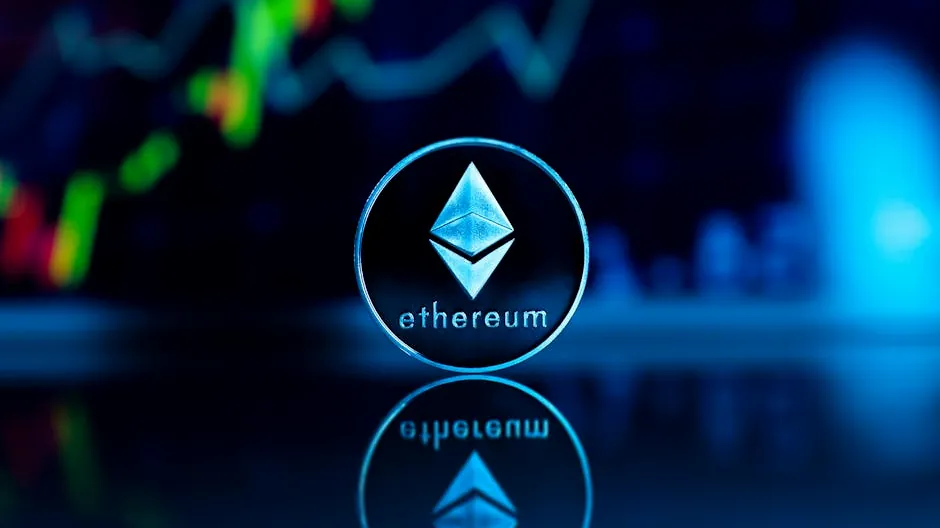
Ethereum is poised for a transformative shift with the upcoming Fusaka upgrade scheduled for December 3, 2025. This upgrade is crucial as it aims to enhance Ethereum’s scalability and efficiency, which are vital for its competitiveness in the rapidly evolving cryptocurrency landscape.
What happened
The Fusaka upgrade represents a significant milestone for Ethereum, particularly with its planned increase in the block gas limit from approximately 45 million to 150 million. This change is expected to facilitate a higher transaction throughput, addressing the network congestion that has plagued Ethereum in recent years.
As anticipation for the upgrade grows, Ethereum has already experienced notable price fluctuations. These movements are largely attributed to a surge in institutional interest and a wave of optimism among investors, indicating a shift in market sentiment.
The upgrade is not merely a technical adjustment; it is a strategic initiative aimed at positioning Ethereum as a more attractive platform for decentralized finance (DeFi) applications. This shift could potentially lead to a broader adoption of Ethereum-based solutions in the financial sector.
Why it happened
The driving force behind the Fusaka upgrade is the need for Ethereum to improve its transaction efficiency and scalability. As DeFi applications continue to proliferate, the existing infrastructure has struggled to keep pace with demand, leading to higher transaction fees and slower processing times.
Institutional interest has surged as major asset managers recognize Ethereum’s potential. This influx of capital is a response to the growing number of Ethereum-based investment products, such as exchange-traded funds (ETFs), which have made it easier for traditional investors to gain exposure to the cryptocurrency market.
However, the cryptocurrency market’s inherent volatility remains a significant challenge. Despite the upgrade’s potential benefits, market reactions can be unpredictable, influenced by external factors such as regulatory changes or macroeconomic conditions. This unpredictability complicates the landscape for investors and institutions alike.
How it works
The Fusaka upgrade will enhance Ethereum’s scalability by increasing the block gas limit, allowing for a greater number of transactions to be processed simultaneously. This improvement is expected to alleviate network congestion, resulting in lower transaction fees for users.
Additionally, the upgrade is designed to improve the overall user experience on the Ethereum network. By enabling faster transaction times, it will likely attract more developers to build on the platform, further driving demand for Ethereum.
Staking activity on the Ethereum network has also surged in anticipation of the upgrade. By locking up their ETH for staking, investors reduce the circulating supply, which can create upward pressure on prices. However, this mechanism carries risks, as market fluctuations can impact the value of staked assets.
What changes
The Fusaka upgrade is expected to bring about significant changes in Ethereum’s operational dynamics. With the increase in the block gas limit, transaction throughput will improve, which could lead to a more stable and efficient network.
These changes are likely to enhance Ethereum’s attractiveness to both users and developers, potentially resulting in increased adoption of DeFi applications. As Ethereum solidifies its position within the DeFi ecosystem, the demand for ETH is anticipated to rise, which could influence price movements positively.
However, the upgrade’s success is contingent upon sustained market interest and the ability to navigate the inherent volatility of the cryptocurrency market. Investors must remain vigilant, as the interplay between technological advancements and market dynamics can yield unpredictable outcomes.

Why it matters next
Looking ahead, the implications of the Fusaka upgrade for Ethereum’s market dynamics are profound. Analysts project that if the upgrade is successful and institutional interest continues to grow, ETH prices could soar significantly, with some estimates suggesting a range between $5,000 and $10,000 by the end of 2025.
Yet, these projections should be approached with caution. They are inherently speculative and depend on various factors, including market conditions and investor behavior. The unpredictable nature of the cryptocurrency landscape means that while the upgrade holds promise, it also introduces new risks.
In summary, the Fusaka upgrade signifies a pivotal evolution in Ethereum’s capabilities. As it aims to enhance scalability and efficiency, understanding its actual effects post-implementation will be crucial for assessing Ethereum’s future in the competitive cryptocurrency market.
What is the Fusaka upgrade?
The Fusaka upgrade is a significant enhancement to the Ethereum network, set to increase the block gas limit, thereby improving scalability and transaction efficiency.
How will the upgrade impact Ethereum’s price?
The upgrade is expected to positively influence Ethereum’s price by increasing demand through improved user experience and institutional interest, although market volatility remains a concern.
About the Author