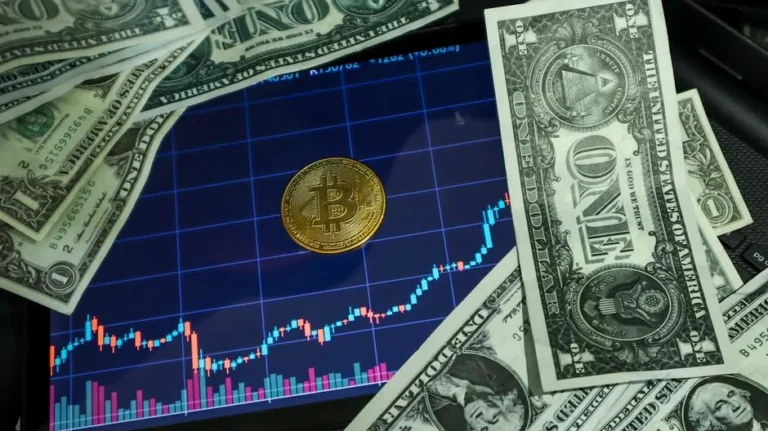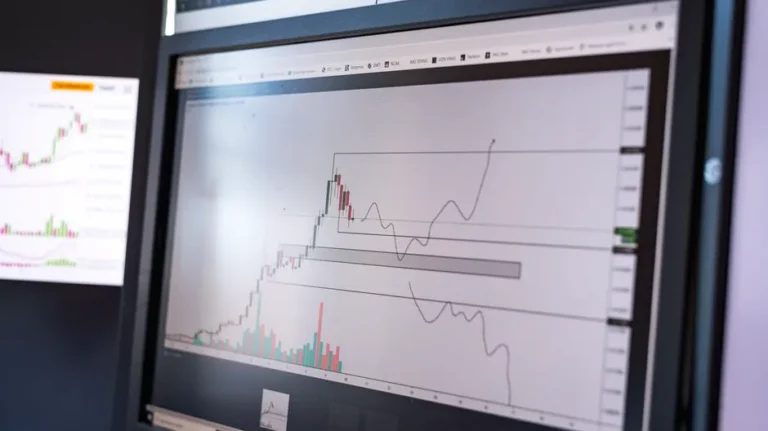

The recent military confrontations between Israel and Iran have sent shockwaves through the cryptocurrency market, particularly impacting Bitcoin‘s price. This sudden volatility raises questions about Bitcoin’s reliability as a safe haven asset during turbulent times.
What happened
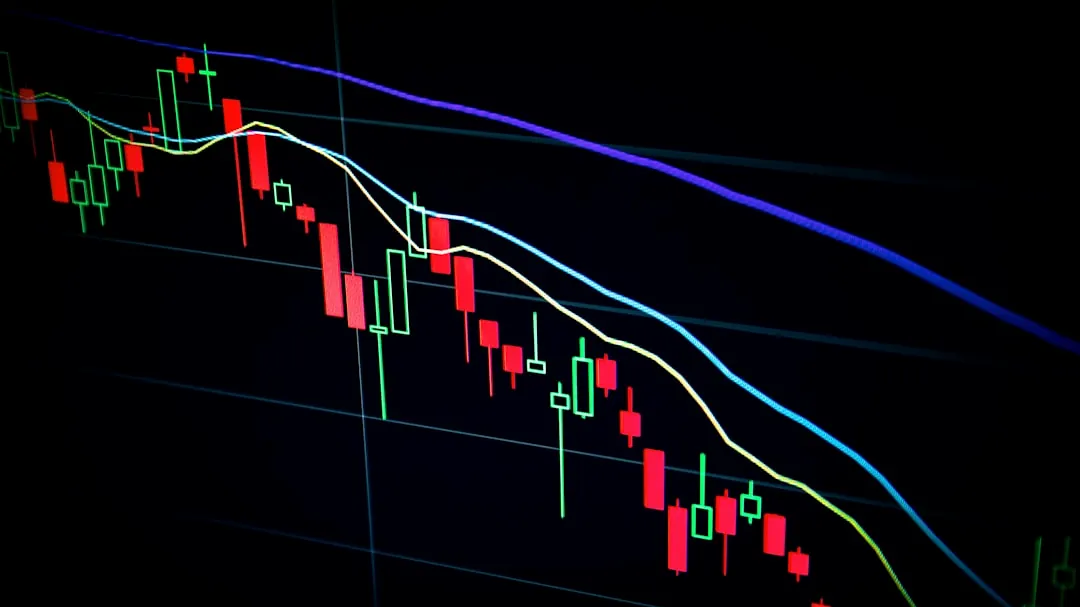
Bitcoin’s price has recently experienced a significant drop, falling from approximately $70,000 to around $63,000. This decline was further exacerbated by a staggering $515 million in liquidations within the futures market.
The rapid decrease in Bitcoin’s value illustrates a vicious cycle: falling prices trigger forced sales to meet margin calls, which in turn drives prices even lower. This interconnectedness highlights a troubling reality—Bitcoin is increasingly behaving like a high-risk asset rather than the stable store of value many investors hope it to be.
As geopolitical tensions escalate, investor sentiment shifts dramatically, leading to increased volatility in the cryptocurrency market.
Why it happened
The ongoing Israel-Iran conflict has created an environment of uncertainty, prompting investors to reassess their portfolios. Potential disruptions to global oil supplies could trigger inflationary pressures, leading investors to seek liquidity and reduce exposure to volatile assets like cryptocurrencies.
This risk-off sentiment, fueled by geopolitical fears, often results in traders opting for cash or more stable investments. As the specter of escalation looms, Bitcoin faces additional downward pressure, complicating its role as a hedge against economic uncertainty.
Moreover, Bitcoin’s unique 24/7 trading structure allows it to react to shocks that traditional markets cannot address until they reopen. This often results in Bitcoin being the first to feel the brunt of selling pressure during geopolitical crises.
How it works
Bitcoin’s trading dynamics are influenced by its decentralized nature and continuous market activity. Unlike traditional assets, Bitcoin does not have a centralized exchange that closes during off-hours, allowing it to react instantly to global events.
This characteristic can lead to heightened volatility, especially during geopolitical crises. As investors react to news, Bitcoin often experiences sharp initial declines followed by unpredictable recoveries, complicating recovery efforts.
Such dynamics reveal the fragility of investor confidence in cryptocurrencies during turbulent times, as rapid price movements can deter potential investors seeking stability.
What changes


The implications of the Israel-Iran conflict extend beyond immediate price fluctuations. If inflation escalates, central banks may tighten monetary policy, adversely impacting risk assets, including cryptocurrencies.
Additionally, operational hurdles such as regulatory uncertainty and market manipulation further impede Bitcoin’s stability and broader adoption. These challenges create an environment where Bitcoin’s perceived value is easily swayed by external events.
The interconnectedness of cryptocurrency markets means that a downturn in Bitcoin could trigger wider sell-offs across the crypto ecosystem, affecting major altcoins like Ethereum and XRP, which have also experienced significant losses.
Why it matters next
As the geopolitical situation evolves, market participants will keenly observe signals of escalation or de-escalation, knowing these developments will likely influence Bitcoin’s price movements. A simplistic view that Bitcoin will always act as a hedge against traditional market downturns neglects its historical volatility and complex response patterns.
Ultimately, the current conflict’s implications cast doubt on Bitcoin’s future as a safe haven asset. The intricate interplay of geopolitical events, market dynamics, and investor psychology will shape the cryptocurrency landscape in the coming weeks.
Investors must remain vigilant and informed, understanding that Bitcoin’s role within the financial ecosystem is subject to change as external factors continue to evolve.
About the Author