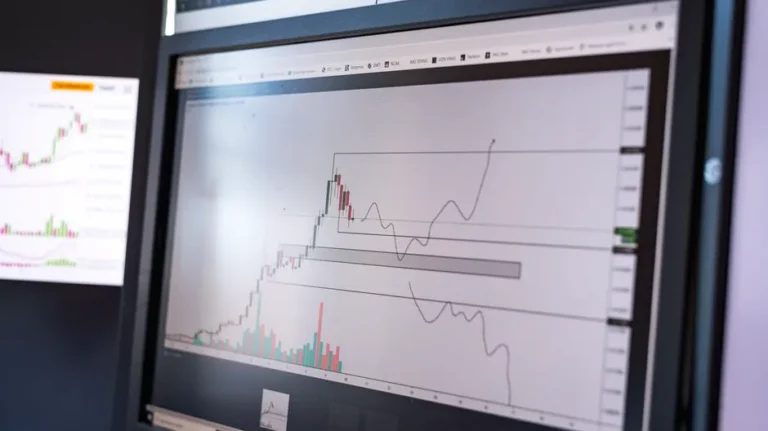

Bitcoin is currently facing a critical challenge at the $70,000 resistance level, a situation that has significant implications for the broader cryptocurrency market. The outcome of this struggle is crucial as it reflects investor sentiment and macroeconomic influences that could shape Bitcoin’s future trajectory.
What happened
Bitcoin has recently encountered intense resistance at the $70,000 mark, a level that has proven difficult to breach. This resistance has led to increased volatility in the cryptocurrency market, affecting both institutional and retail investors. As Bitcoin attempts to push past this barrier, the market is closely monitoring the developments surrounding its price movements.
The struggle at this resistance level has sparked discussions about the underlying factors influencing Bitcoin’s price. Investors are particularly concerned about the implications of failing to break through this critical threshold, which could lead to further declines.
As Bitcoin’s price fluctuates near this resistance, market participants are weighing their options, leading to heightened activity in trading volumes. The outcome of this battle could set the tone for Bitcoin’s performance in the near future.
Why it happened
The current resistance faced by Bitcoin can be attributed to several macroeconomic factors, including the strength of the US dollar. A robust dollar diminishes demand for Bitcoin, as investors often seek the safety of fiat currencies during uncertain times. This phenomenon, known as the “denominator effect,” illustrates how a stronger dollar can negatively impact Bitcoin’s perceived value.
Additionally, recent trends in institutional sentiment have contributed to this resistance. Significant outflows from Bitcoin Exchange-Traded Funds (ETFs) exceeding $500 million indicate a waning interest among institutional investors. This shift creates a ripple effect, leading to increased market volatility and further complicating Bitcoin’s price dynamics.
Furthermore, the Federal Reserve’s monetary policies have raised the opportunity cost of holding non-yielding assets like Bitcoin. As interest rates fluctuate, investors may prioritize assets that offer returns, further pressuring Bitcoin’s price.
How it works
Understanding the interplay between market volatility and Bitcoin’s price is essential for grasping the current situation. The CBOE Volatility Index (VIX) serves as a measure of market uncertainty, and a rising VIX often correlates with corrections in Bitcoin’s price. Currently, with the VIX hovering around 22.50, caution prevails among investors, which could hinder Bitcoin’s attempts to breach the $70,000 resistance level.
Liquidity conditions also play a crucial role in Bitcoin’s price movements. A slowdown in stablecoin inflows can limit the buying power available for Bitcoin, constraining its upward momentum. Exchanges like Binance, which hold substantial reserves of stablecoins, can significantly influence Bitcoin’s price based on liquidity shifts.
Moreover, the behavior of short-term holders is pivotal in this context. Recent data suggests that losses among these investors are decreasing, indicating that aggressive selling may be subsiding. If these holders maintain their positions, it could create a more stable environment for Bitcoin to challenge the resistance level.

What changes


The implications of Bitcoin’s struggle at the $70,000 resistance extend beyond immediate price fluctuations. Should Bitcoin fail to break through this level, it risks entering a prolonged period of consolidation or a bearish trend. This stagnation could deter new investors from entering the market, further entrenching Bitcoin’s reputation as a volatile asset.
Conversely, a successful breakout could reignite interest and investment in Bitcoin, reinforcing its position as a viable alternative asset. This potential shift in sentiment could attract both institutional and retail investors, altering the dynamics of the cryptocurrency market.
Additionally, operational constraints, including regulatory uncertainties, continue to pose challenges for Bitcoin’s integration into traditional financial systems. As the regulatory landscape evolves, its impact on Bitcoin’s price movements and overall market sentiment remains a critical area for observation.
Why it matters next
The current dynamics surrounding Bitcoin’s resistance at $70,000 highlight the intricate relationship between macroeconomic pressures, institutional sentiment, and market volatility. Understanding these factors is vital for investors looking to navigate Bitcoin’s market behavior effectively.
As Bitcoin continues to grapple with this resistance, the outcomes will shape its future trajectory and influence broader market trends. Investors must remain vigilant, recognizing the potential for both opportunities and risks in the evolving landscape.
Ultimately, the ability of Bitcoin to break through this resistance will not only determine its immediate price movements but also its long-term viability as an alternative asset in the financial ecosystem.
About the Author