
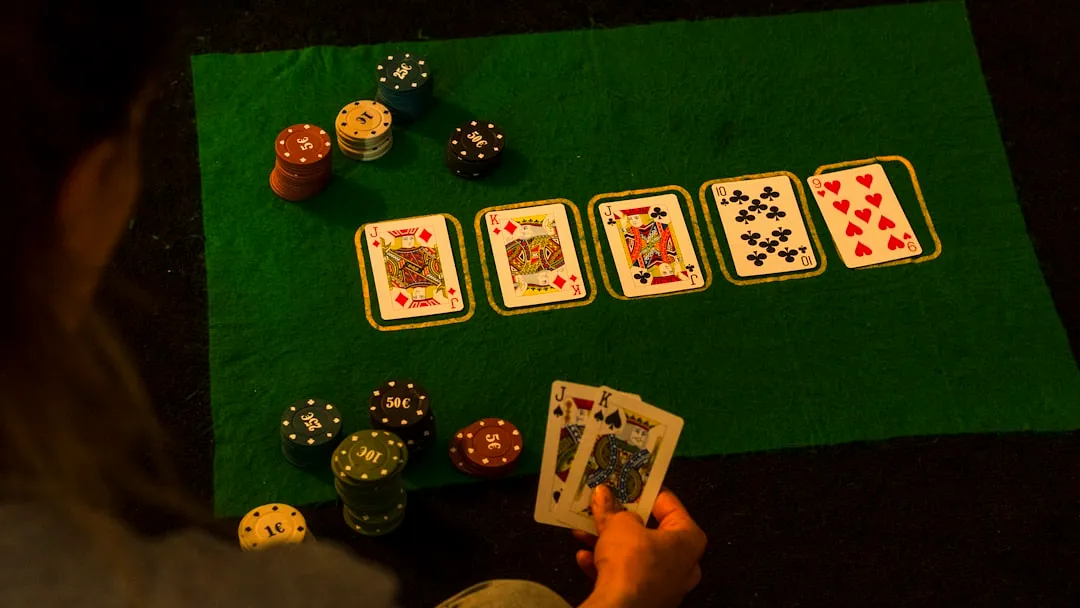
The impending launch of the $BANK token on March 4, 2026, could disrupt the professional poker financing landscape, offering a more structured and transparent method of bankroll management. This moment is significant because it opens the doors to high-stakes tournaments for a broader range of investors, a sector historically dominated by murky financial practices.
What happened
The $BANK token is set to launch on March 4, 2026, marking a pivotal moment in the poker financing sector. This token aims to provide a more transparent and structured approach to bankroll management, which has traditionally been fraught with ambiguity. The launch is expected to attract a wider array of investors into high-stakes tournaments.
This development signifies a shift in how poker financing operates, potentially transforming the landscape for both players and investors. The introduction of the $BANK token could lead to increased participation from those previously excluded from high-stakes events.
As the launch date approaches, discussions surrounding the implications of this token are intensifying, particularly regarding its sustainability in a volatile market.
Why it happened
The $BANK initiative emerged from a need for greater transparency and accessibility in poker financing. Historically, the sector has been characterized by opaque financial practices, which have deterred potential investors. The integration of the $BANK token within the FANstrike ecosystem addresses these concerns by offering a tokenized version of a professionally managed poker bankroll.
This initiative is driven by the desire to consolidate various private staking opportunities into a single, liquid asset. By doing so, it allows a broader range of participants to engage in high-stakes tournaments, thereby democratizing access to poker financing.
The push for innovation in the poker industry, coupled with advancements in blockchain technology, has created an environment ripe for the introduction of the $BANK token.
How it works
The $BANK token operates within a framework designed for durability and sustainability. With a capped supply of 1,000,000,000 tokens, the tokenomics are structured to support operational needs while curbing inflation. Allocations are divided among poker bankrolls, liquidity management, treasury reserves, and marketing efforts.
A critical component of the $BANK model is its treasury framework, which channels capital raised through the token into high-stakes tournaments. This connection aligns the financial health of the $BANK ecosystem with player success, creating a mutually beneficial relationship.
However, the fixed supply of tokens may pose challenges in adapting to sudden demand spikes, raising concerns about maintaining liquidity while meeting investor expectations.

What changes

The introduction of the $BANK token is poised to bring significant changes to the poker financing landscape. By offering a more structured approach to bankroll management, it could set a new standard for transparency and accessibility in the industry. This shift may encourage other niche markets to explore similar tokenized structures.
Additionally, the $BANK Player Program incentivizes high-stakes players to represent the token at major events, fostering loyalty and deeper engagement within the poker community. However, the absence of a vesting period for rewards could lead to a short-term focus among players, potentially undermining long-term commitment to the ecosystem.
Operational challenges remain, particularly in navigating the complex regulatory landscapes surrounding cryptocurrency and gambling. The need for a tailored smart contract audit is crucial to mitigate risks and enhance investor confidence.
Why it matters next
The success of the $BANK token could have far-reaching implications beyond the poker community. By modernizing poker financing, it sets a precedent that may inspire increased transparency and accessibility across various informal capital markets. The interplay between poker players’ success and the health of the $BANK ecosystem will be vital in determining the initiative’s long-term viability.
As the project unfolds, its ability to execute effectively while managing inherent risks will be closely monitored. The roadmap for future developments, including token-gated features and poker-specific prediction markets, will play a crucial role in enhancing the token’s utility and value proposition.
Ultimately, the $BANK token represents a significant evolution in poker financing, with the potential to influence other sectors to adopt similar tokenized structures, thereby reshaping the landscape of investment opportunities in niche markets.
About the Author