
Understanding the Shift in the Cryptocurrency Market
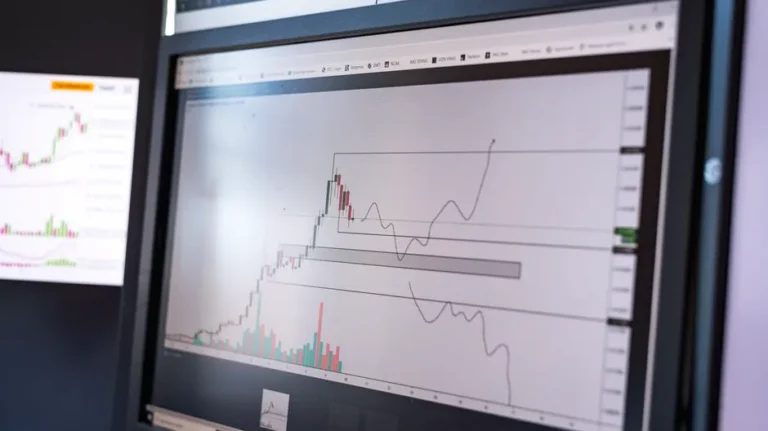
A seismic shift is rippling through the cryptocurrency market, marked by a newfound emphasis on selective investment in high-quality projects. This evolution is not just a passing trend; it underscores a significant maturation of the market. Institutional demand is increasingly shaping investor behavior towards assets grounded in robust fundamentals and practical applications. The landscape has shifted away from the speculative trading that characterized previous altcoin seasons, suggesting that only projects with tangible utility will thrive in this cycle.
At the heart of this selective investment strategy lies a surge in institutional interest, particularly in Bitcoin and Ethereum. Hedge funds and asset managers are beginning to view these digital assets as credible alternatives to traditional investments. The emergence of Bitcoin exchange-traded funds (ETFs) has paved the way for this shift, enabling institutions to gain exposure to cryptocurrencies without the complexities of direct ownership.
Challenges Facing Institutional Adoption
Yet, this transition is fraught with challenges. The cryptocurrency market remains susceptible to regulatory scrutiny, which can inject uncertainty into investor sentiment. While potential regulatory clarity in the U.S. could catalyze greater institutional adoption, ongoing ambiguities may stifle investment. Additionally, the exit of early retail investors poses another hurdle; their sell-offs can depress prices, leading to temporary market imbalances.
This situation highlights a common misconception among novice investors: the belief that all altcoins will benefit during bullish phases. Such oversimplified thinking can lead to misguided strategies, as it neglects the critical need to understand the unique fundamentals of each project. Investors must navigate these complexities to make informed decisions.
Implications of Market Maturation

The implications of this evolving market landscape extend well beyond immediate price shifts. A focus on high-quality projects could foster a more sustainable growth trajectory for cryptocurrencies. Investors who prioritize thorough research and due diligence over speculative trading are likely to support the emergence of innovative projects that deliver real value. This maturation may also alter the approach of new entrants, emphasizing the necessity of understanding the underlying technology and applications of cryptocurrencies.
Behavioral economics further complicates this landscape, influencing how investors engage with the market. The “wealth effect,” where rising asset prices encourage increased spending and risk-taking, may tempt investors to pursue riskier altcoin investments. When individuals feel wealthier due to rising prices, they often become more willing to take on additional risks, which can introduce volatility.
A sudden profit-taking in Bitcoin, for instance, might trigger unpredictable price movements in altcoins, creating an environment rife with uncertainty. This volatility can deter cautious investors, complicating the landscape further.
Interconnectedness of Financial Markets
Moreover, the current market is characterized by a notable correlation between traditional financial markets and cryptocurrencies. Positive movements in stock indices can enhance sentiment within the crypto space, particularly for Bitcoin and Ethereum. This interconnectedness implies that traders should remain vigilant, as shifts in one market can significantly influence the other.
A rally in stock markets could lead to increased investment in cryptocurrencies, while a downturn might prompt a sell-off across both asset classes. Understanding these dynamics is crucial for investors looking to navigate the complexities of the current market.
Future of Altcoin Seasons
As the cryptocurrency market continues to evolve, the possibility of a new type of “altcoin season” looms. However, this season is likely to be distinct from previous iterations, with capital flowing toward projects that exhibit strong fundamentals rather than a broad-based rise across all altcoins. This could result in a fragmented market landscape, where only a select few altcoins gain traction while others struggle to attract investment.

Such a scenario accentuates the need for investor education and discernment in navigating this increasingly complex environment. Investors must be equipped with the knowledge to differentiate between projects that are likely to succeed and those that may falter.
Conclusion: Navigating the New Landscape
In summary, the cryptocurrency market is undergoing a critical transition characterized by selective investment fueled by institutional demand. This evolution presents both opportunities and challenges, as investors navigate a landscape that increasingly prioritizes quality over quantity. Grasping the underlying mechanisms and constraints shaping this market is essential for making informed investment decisions and fostering sustainable growth in the cryptocurrency space.
What are the key factors driving institutional interest in cryptocurrencies?
Institutional interest in cryptocurrencies is driven by several factors, including the emergence of Bitcoin ETFs, the credibility of digital assets as alternatives to traditional investments, and the growing acceptance of cryptocurrencies within financial markets. These factors contribute to a more favorable environment for institutional investment.
How does regulatory scrutiny impact investor sentiment?
Regulatory scrutiny can significantly impact investor sentiment by introducing uncertainty into the market. Potential regulatory clarity may encourage institutional adoption, while ongoing ambiguities can stifle investment and lead to market volatility. Investors must remain aware of regulatory developments to navigate these challenges effectively.
About the Author