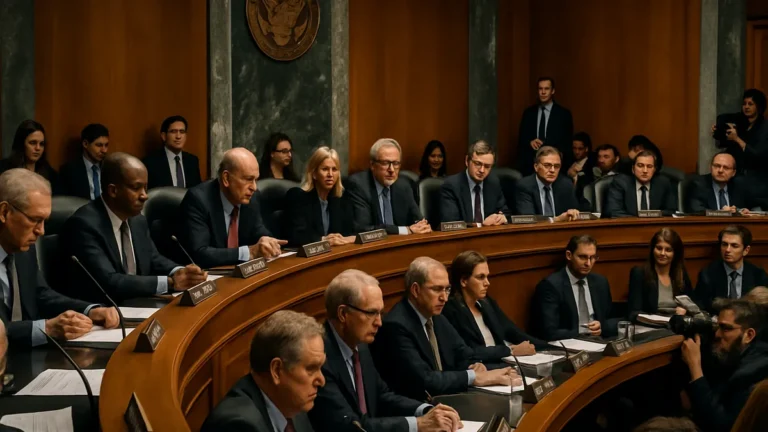

Overview of Strike’s BitLicense Acquisition
Strike has recently achieved a significant milestone by securing both a BitLicense and a Money Transmitter License from the New York State Department of Financial Services (NYDFS). This development not only legitimizes its operations in one of the largest cryptocurrency markets in the United States but also taps into the surging public interest in digital assets. The approval of the BitLicense places Strike among a select group of compliant companies, enhancing its credibility in a landscape often marred by skepticism.
At the heart of the BitLicense is a mandate for 1:1 custody of customer Bitcoin, compelling companies to keep user funds separate from their operational capital. This segregation is designed to protect consumers from mismanagement, a lesson painfully learned from the industry’s past missteps. However, the stringent requirements of the BitLicense create a complex landscape where operational integrity is paramount, raising questions about the true cost of compliance.
Maintaining custodial standards is resource-intensive and may present significant hurdles for smaller firms. The operational demands could lead to increased costs, which might ultimately be passed on to consumers, challenging the notion that regulatory compliance always translates to better service.
Challenges of Compliance and Innovation
A common misconception is that obtaining a BitLicense equates to guaranteed market success. The truth is more nuanced; while it provides a legal framework for operation, the ongoing compliance obligations can stifle innovation and flexibility. Regular audits and capital reserve requirements pose significant challenges, particularly for newcomers trying to carve out a niche in a competitive market.
This burden can lead to a limited range of services, which may not align with consumer expectations for variety and accessibility. As Strike rolls out its services, it faces the daunting task of balancing growth with regulatory compliance. The long-term viability of its offerings will hinge on the company’s ability to adapt to shifting market dynamics while preserving user trust.

Trust is a fragile commodity, and Strike’s adherence to regulatory standards could provide a competitive edge, attracting users wary of less regulated platforms. Yet, this advantage may come at the cost of operational agility as the company navigates the complexities of compliance.
Impact on Consumer Adoption and Market Dynamics
Strike’s platform promises to revolutionize how users interact with Bitcoin, offering features such as direct paycheck conversion into Bitcoin and the ability to pay bills using Bitcoin balances. These functionalities aim to simplify everyday transactions, potentially fostering greater cryptocurrency adoption. Yet, their success is not guaranteed; market conditions and consumer perceptions play critical roles.
If the perceived costs outweigh the benefits, users may remain hesitant to embrace this digital currency. The broader implications of Strike’s BitLicense approval could trigger a wave of competition among Bitcoin service providers in New York. As more companies enter the fray, consumers may enjoy a wider array of services and lower fees.
However, this competitive environment raises concerns about the sustainability of business models in a rapidly changing market. Companies must strike a delicate balance between differentiation and cost management while adhering to compliance requirements.
Future Prospects and Risks in Bitcoin Services
In addition to basic trading capabilities, Strike plans to venture into Bitcoin-backed lending, allowing users to borrow fiat while retaining their Bitcoin holdings. This innovative offering could serve as a buffer against market volatility, yet it is not without risks. The lending landscape is fraught with challenges, as evidenced by the struggles of firms like BlockFi and Celsius.

Mismanagement in this area can lead to devastating consequences for both the company and its users, highlighting the precarious balance between innovation and risk. The oversight from NYDFS also includes regular cybersecurity examinations, an increasingly critical aspect in today’s digital landscape.
Companies must implement robust security measures to safeguard user data and funds from potential breaches. Falling short of these standards can result in severe repercussions, including loss of licenses and consumer trust. As cyber threats evolve, maintaining security becomes a costly and complex endeavor, one that demands constant vigilance.
Q&A on Strike’s BitLicense and Its Implications
What does Strike’s BitLicense mean for its operations?
Strike’s BitLicense allows it to operate legally in New York, providing a framework for compliance that enhances its credibility. However, it also imposes strict requirements that could affect operational flexibility and service offerings.
How might the BitLicense affect consumer trust in cryptocurrency?
The BitLicense enhances consumer trust by ensuring that companies like Strike adhere to regulatory standards. This compliance can attract users who are wary of less regulated platforms, but it may also lead to higher costs that could impact service accessibility.
About the Author