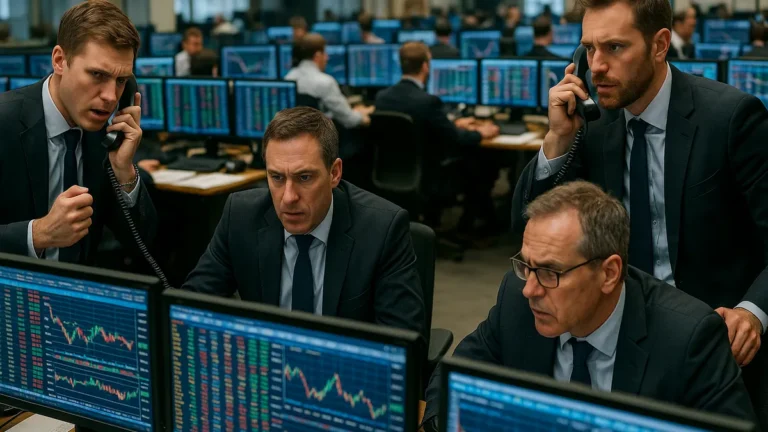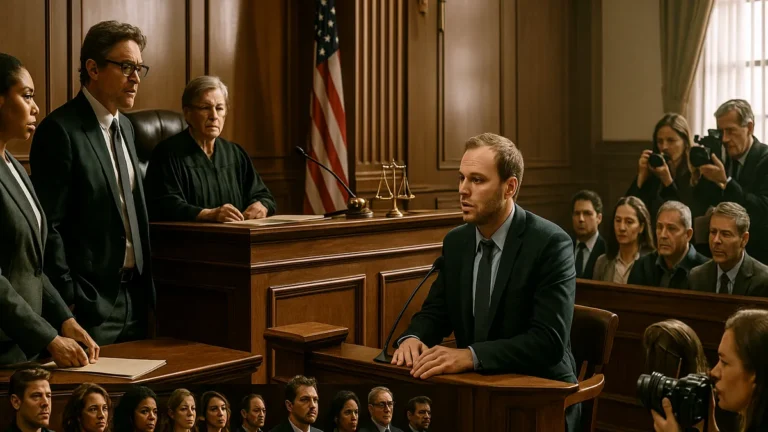
Sam Bankman-Fried’s 2026 motion for a new trial is not just a last-minute effort to relitigate a conviction. It is built around two specific challenges to the original case: whether prosecutors mishandled or suppressed witness evidence, and whether FTX’s failure in November 2022 was a liquidity crisis that later asset values could have cured, rather than the kind of insolvency narrative the jury heard at trial.
The motion reopens the factual fight over FTX’s balance sheet
The defense is trying to move the case away from the simple idea that customer money was gone and toward a narrower claim: FTX and Alameda Research may have had enough aggregate assets to cover customer claims at bankruptcy, even if they did not have the right assets available at the right time. Former FTX data head Daniel Chapsky submitted a declaration supporting that view, saying the firms’ assets exceeded customer liabilities when the exchange entered bankruptcy.
That distinction matters in crypto because a venue can look wealthy on paper and still fail if it cannot meet withdrawals in the assets customers expect. Prosecutors have seized on exactly that point, arguing that FTX did not hold enough of the cryptocurrency it owed users at the time of collapse, and that later recoveries or venture marks do not erase earlier misuse of customer funds.
The defense also points to investments including FTX’s roughly $500 million stake in Anthropic as evidence that customer recoveries were not impossible and that the business failure should be understood as bad risk management. The government’s answer is that criminal fraud turns on misappropriation and intent, not on whether an estate later benefits from appreciated assets after bankruptcy administration.
Why witness pressure allegations are central to the retrial request
Bankman-Fried’s filing says prosecutors pressured defense-linked witnesses Ryan Salame and Nishad Singh and failed to turn over communications that could have helped the defense. If that allegation gains traction, the motion becomes more than a disagreement over accounting; it becomes a challenge to the fairness of the original trial process.

The government has already signaled that it sees little novelty here. Prosecutors argue the supposed new evidence was known before the 2023 trial and would not have changed the verdict, a position aimed at defeating one of the main legal thresholds for a retrial motion.
For crypto cases, this is the more consequential procedural question. Courts can reject alternative valuation stories and still leave room for appeals if witness handling or disclosure failures affected the defense’s ability to test the government’s timeline of fund flows, lending practices, and customer-asset treatment.
The appeals panel looked hardest at Judge Kaplan’s trial rulings
At the early-2026 appeals hearing, judges spent notable time on District Judge Lewis Kaplan’s handling of Bankman-Fried’s testimony and legal-advice evidence. The defense says Kaplan’s “dry run” of SBF’s testimony gave prosecutors an unusual preview and that excluding evidence about advice from company lawyers blocked a good-faith defense.
Even so, the panel did not sound convinced that those rulings would justify reversal on their own. Judges appeared skeptical that the excluded material or the pre-testimony procedure would have overcome what they described as strong trial evidence that billions in customer funds were routed to Alameda and used for trading losses, investments, and other spending.
That creates an important limit for anyone treating the retrial motion as a pure financial debate. The solvency argument may draw attention because it sounds technical and because crypto bankruptcies often do involve valuation gaps, but appellate courts usually ask a different question first: whether the alleged trial errors were serious enough to affect the verdict actually returned by the jury.
Signal versus narrative in the FTX solvency claim
The cleanest way to read the dispute is not “FTX was solvent” versus “FTX was bankrupt.” The real split is over which measure matters for criminal liability: enterprise-wide asset value, or possession and control of customer assets at the moment users were entitled to withdraw them.
| Issue | Defense position | Prosecutors’ position | Why crypto readers should care |
|---|---|---|---|
| FTX at bankruptcy | Assets exceeded customer claims, so collapse looked like illiquidity, not permanent insolvency | FTX lacked enough crypto to satisfy customer entitlements when it failed | This is the difference between mark-to-model comfort and actual withdrawal coverage |
| Use of customer funds | A failed risk framework and asset-liability mismatch | Intentional misappropriation for Alameda and other uses | A key legal line for exchange custody, rehypothecation, and disclosure standards |
| New evidence | Witness pressure and withheld communications undermine trial fairness | Material was known before trial and would not alter the outcome | Sets a standard for how aggressively prosecutors can shape testimony in crypto fraud cases |
| Later asset recovery | Shows customer losses were not irretrievable | Later recovery does not cancel fraud completed earlier | Important for valuing distressed crypto estates, but not automatically exculpatory |
That is the practical reading for market-structure observers. A venue can survive a paper solvency debate and still fail the custody test regulators and institutional allocators care about most: whether segregated customer assets were actually there, accessible, and not redirected into affiliated risk.
March 11 is the next real checkpoint
The U.S. government’s formal response to the retrial motion is due by March 11, 2026. That filing should show whether prosecutors plan to treat the witness-pressure claims as legally trivial, or whether they need to engage more directly with disclosure, communications, and what the defense says the jury never heard.
For crypto investors and policy watchers, the useful lens is not whether Bankman-Fried is likely to walk free. It is whether the court record starts drawing a sharper line between exchange illiquidity, balance-sheet valuation, and criminal misuse of customer assets, because that line will shape future cases involving failed trading venues, bankruptcy recoveries, and any regulatory push to tighten proof-of-reserves, custody segregation, and affiliate exposure rules.
One point already looks settled politically, even if not judicially: a pardon route appears remote. Donald Trump has said he does not plan to pardon Bankman-Fried, which leaves the legal process itself—not outside intervention—as the only path that can change the case trajectory.
About the Author