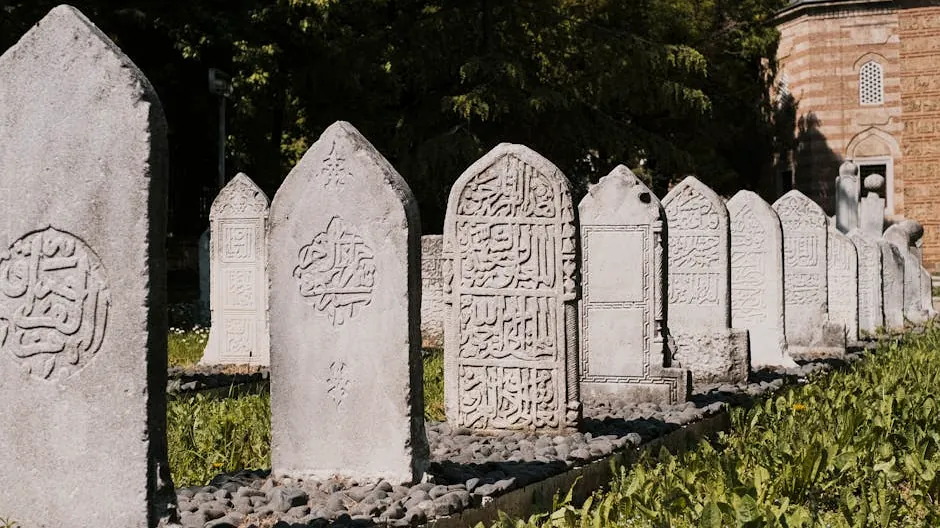
In a poignant decision, a war widow in Ukraine has chosen to relocate her husband’s grave from Slovyansk to Kyiv. This choice highlights the profound impact of the ongoing conflict, emphasizing that safety and dignity come at a significant cost.
What happened
The widow’s decision to move her husband’s grave illustrates the harsh realities faced by families in war-torn Ukraine. As the conflict escalates, cemeteries in cities like Kyiv are becoming overcrowded, forcing families to reconsider their burial practices.
This relocation is not merely a logistical challenge; it is a deeply emotional act rooted in grief. The widow’s choice reflects a broader societal upheaval, where even the act of mourning is influenced by the specter of war.
As families confront the realities of the conflict, the need for safe resting places becomes paramount. The widow’s decision serves as a stark reminder of the personal sacrifices made in the face of ongoing violence.
Why it happened
The surge in military casualties in Ukraine has led to an increased demand for burial plots, particularly in urban areas like Kyiv. This rising demand has resulted in overcrowded cemeteries and escalating funeral costs, which can exceed $1,000.
Financial strain is compounded by the emotional toll of loss, as families navigate the complexities of grief while facing significant economic burdens. The widow’s choice to relocate her husband’s grave is a response to these pressures, highlighting the intersection of personal grief and practical necessity.
Moreover, the ongoing conflict has disrupted traditional mourning practices, forcing families to adapt to new realities. This shift underscores the profound impact of war on societal norms and expectations surrounding death and remembrance.
How it works
Relocating a grave involves navigating both physical and emotional challenges. The widow must confront the pain of revisiting her loss while also dealing with the logistical aspects of moving a grave.
Cultural traditions surrounding burial practices further complicate this process. Families often feel the weight of societal expectations, which can create tension between personal needs and communal norms.
This struggle reflects a broader truth: in times of conflict, individuals often find themselves at a crossroads, balancing their grief with the demands of tradition. The widow’s decision to relocate her husband’s grave is an assertion of agency in a chaotic world.
What changes
The widow’s decision may inspire others in her community to reconsider their own mourning practices. As safety becomes a priority, families may begin to prioritize secure resting places over traditional burial sites.
This shift could lead to a collective reevaluation of how grief is navigated in a war-torn society. The widow’s act serves as a catalyst for change, prompting discussions about the importance of safety in mourning rituals.

As communities adapt to the realities of conflict, the implications of such decisions may reshape cultural norms around memorialization. The widow’s choice could pave the way for new practices that prioritize both remembrance and safety.
Why it matters next
The implications of the widow’s decision extend beyond her personal grief; they resonate throughout her community. As families grapple with the realities of loss in a war-torn landscape, the need for safe mourning practices becomes increasingly urgent.
This situation challenges our understanding of love, loss, and resilience in the face of adversity. The choices made by those impacted by war will have lasting effects on future generations, influencing how grief is expressed and honored.
Ultimately, the struggle for dignity amidst chaos serves as a haunting reminder of the human cost of war. As the conflict in Ukraine continues, the question remains: how do we honor the dead when their resting places are fraught with danger?
What is the psychological impact of the conflict on families?
Nearly every individual in Ukraine faces mental health challenges stemming from pervasive grief and anxiety. This emotional landscape affects not only the bereaved but also entire communities, reshaping societal expectations.
How can communities adapt to these changes?
Communities may need to develop new practices that prioritize safety in mourning rituals. This adaptation could involve rethinking traditional burial practices to ensure that families can honor their loved ones without fear.
About the Author