

Recent hostilities involving the United States, Israel, and Iran have significantly disrupted global trading. This escalation has highlighted the limitations of traditional markets, making platforms like Hyperliquid crucial for traders who need immediate responses to geopolitical shifts. The current situation underscores the evolving nature of trading dynamics in the face of uncertainty.
What happened
The recent missile strikes on Iran have triggered a notable increase in trading activity on decentralized exchanges, particularly Hyperliquid. Oil futures on the platform surged over 5% in response to these geopolitical tensions, reflecting traders’ concerns about potential supply disruptions. This spike in trading activity illustrates how quickly market sentiment can shift due to geopolitical events.
Iran’s strategic position in global oil production and its control over the Strait of Hormuz further amplify the impact of military conflicts in the region. As a result, traders are increasingly reacting to these developments, leading to heightened volatility in oil and gold-linked perpetual futures. The situation exemplifies the immediate consequences of geopolitical tensions on market dynamics.
Moreover, the reliance on decentralized exchanges like Hyperliquid has become more pronounced, as traders seek platforms that can provide real-time trading opportunities amidst uncertainty. This shift signifies a broader trend towards decentralized finance (DeFi) solutions as vital components of the financial landscape.
Why it happened
The surge in trading on Hyperliquid can be attributed to the growing anxiety surrounding geopolitical tensions. As traditional markets face limitations, traders are turning to decentralized platforms that offer continuous access to trading opportunities. This shift is driven by the need for immediate responses to rapidly changing market conditions.
Additionally, the absence of regulatory oversight on decentralized exchanges has contributed to their appeal. While this lack of compliance can raise concerns, it allows for greater flexibility in trading strategies. However, it also invites scrutiny from regulatory bodies, which may impact the long-term viability of these platforms.
The combination of increased trading activity and regulatory uncertainty creates a complex environment for traders. As institutional investors remain cautious, the growth potential of platforms like Hyperliquid may be constrained, despite their innovative trading capabilities.
How it works
Hyperliquid operates on a decentralized model, enabling continuous trading without the constraints of traditional market hours. This feature attracts both retail and institutional investors seeking to capitalize on market fluctuations in real time. The platform’s design allows for rapid execution of trades, which is essential in volatile conditions.
The trading dynamics on Hyperliquid are influenced by the influx of speculative traders, whose strategies may not align with fundamental market conditions. This can lead to increased price volatility, complicating risk assessment for traders who depend on stable price signals. As trading volumes rise, the platform’s liquidity dynamics shift, creating a feedback loop that further amplifies price fluctuations.
Moreover, the value of Hyperliquid’s native token, HYPE, has seen a significant increase amid heightened trading activity. The tokenomics surrounding HYPE, including mechanisms for token burns, could enhance its value over time. However, competition from other decentralized exchanges poses a challenge, as they also vie for a share of the growing demand for continuous trading.
What changes
The current geopolitical climate necessitates a reevaluation of trading strategies and market operations. As tensions persist, the demand for robust trading infrastructure becomes increasingly critical. While Hyperliquid has demonstrated its ability to handle increased trading volumes, questions remain about its capacity to support institutional-level participation without compromising efficiency or security.
This operational limitation presents a significant barrier for larger investors who require reliable systems for risk management and trade execution. The challenges faced by Hyperliquid highlight the need for continuous improvement in decentralized trading platforms to accommodate the evolving demands of the market.
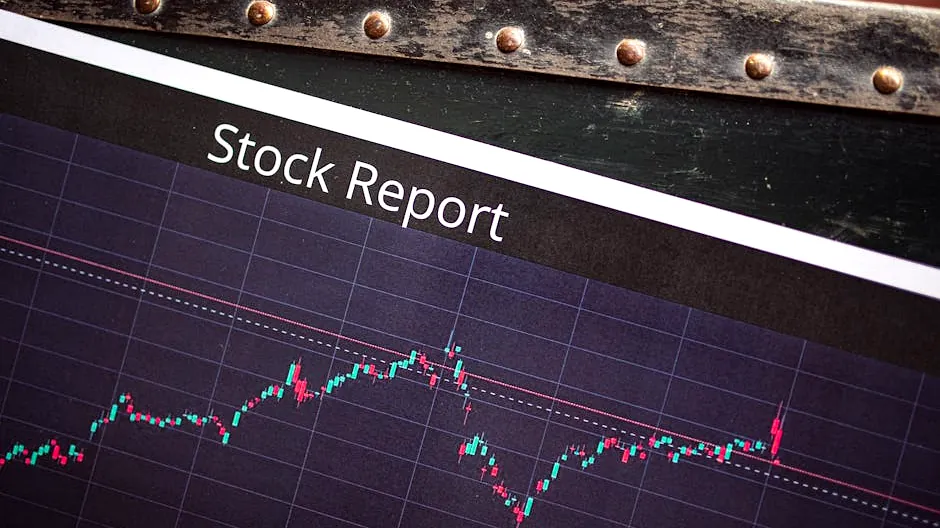
As decentralized exchanges gain traction, the landscape of trading is likely to shift. The acceptance of DeFi solutions as integral components of the financial ecosystem may accelerate, fundamentally altering how trading strategies are developed and executed in volatile conditions.


Why it matters next
The interplay between geopolitical events and trading dynamics on platforms like Hyperliquid is poised to redefine the future of trading. As the financial landscape becomes increasingly interconnected, the imperative for agility and responsiveness in trading grows. Understanding these dynamics is crucial for both retail and institutional investors navigating an unpredictable financial terrain.
The shift towards decentralized exchanges reflects a broader trend in the financial industry, emphasizing the need for continuous access to trading opportunities. As traditional markets grapple with limitations, the demand for platforms that can adapt to changing conditions is likely to increase.
Ultimately, the evolution of trading dynamics in response to geopolitical tensions will shape the strategies employed by investors. The ability to respond swiftly to market changes will become paramount, influencing how portfolios are managed and risks are assessed in an increasingly complex financial environment.
What are the implications of Hyperliquid’s trading model?
Hyperliquid’s trading model emphasizes continuous trading, which can lead to increased volatility and attract speculative traders. This dynamic may complicate risk assessment for investors who rely on stable price signals, potentially altering traditional trading strategies.
How does regulatory scrutiny affect decentralized exchanges?
The lack of regulatory oversight on decentralized exchanges like Hyperliquid can lead to increased scrutiny from bodies such as the SEC and CFTC. This scrutiny may impact the long-term viability of these platforms and make institutional investors wary, affecting their growth in a competitive landscape.
About the Author