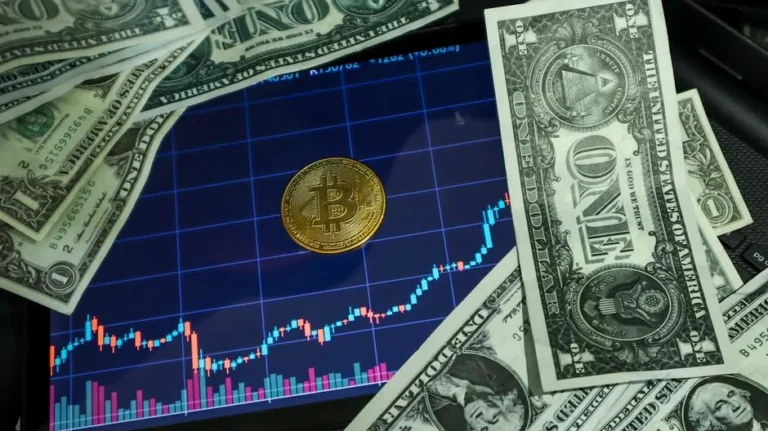

Bitcoin‘s recent surge to approximately $66,000 is not merely a market anomaly; it reflects the seismic shifts in global geopolitical tensions, particularly the military actions taken by the U.S. and Israel against Iran. This development is significant because it challenges the widely held belief that cryptocurrencies operate in a vacuum, independent of traditional financial influences.
What happened
Bitcoin’s price has surged to around $66,000, driven by escalating geopolitical tensions. This rapid increase has caught the attention of investors and analysts alike, highlighting the cryptocurrency’s sensitivity to external events.
The surge occurred amidst military actions involving the U.S. and Israel, which have raised concerns about stability in the Middle East. These developments have led to a reassessment of risk among traders, impacting their asset allocations significantly.
As a result, Bitcoin’s value has experienced pronounced fluctuations, reflecting the broader market’s reaction to these geopolitical events.
Why it happened
The recent surge in Bitcoin’s price can be attributed to a complex interplay of military actions and energy market dynamics. Concerns over potential conflicts have prompted traders to reassess their positions, leading to increased volatility in the cryptocurrency market.
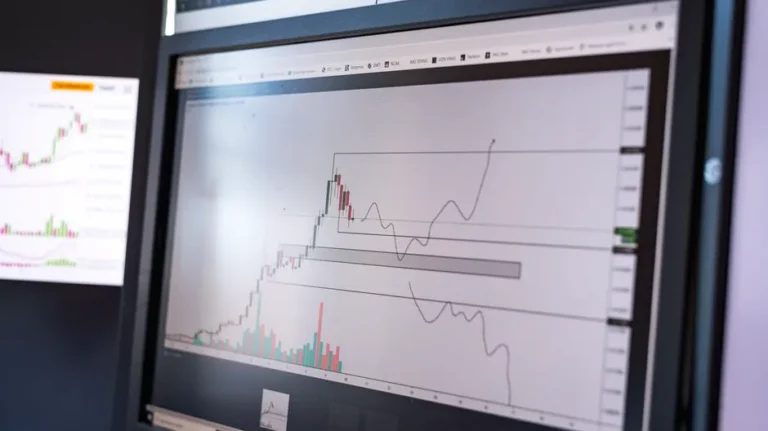
Additionally, the derivatives market has amplified these price movements. When Bitcoin’s price dips, traders with leveraged positions often liquidate their holdings, further exacerbating price declines. This cycle illustrates the precarious nature of the cryptocurrency market and how external factors can trigger significant price shifts.
Energy prices play a crucial role in this context. Tensions in the Strait of Hormuz, a vital oil shipping route, can lead to disruptions that drive up energy costs, influencing inflation expectations and monetary policy. Such dynamics can negatively impact risk assets like Bitcoin, demonstrating the interconnectedness of geopolitical events and financial markets.
How it works
Traders navigating the cryptocurrency market must consider the variable liquidity that can significantly affect price stability. Weekday trading typically offers deeper liquidity, which can help stabilize prices, while weekend trading may lead to heightened volatility.
If geopolitical fears appear contained, Bitcoin may stabilize or even rally further. Conversely, intensifying concerns could exert downward pressure on prices. Understanding this balance of sentiment and liquidity is essential for traders seeking to make informed decisions.
Moreover, a common misconception is that Bitcoin functions as a safe haven asset. In reality, it often behaves more like a risk asset, responding to broader market dynamics rather than providing a refuge during crises. This misunderstanding can lead to misallocation of resources by investors expecting Bitcoin to shield them from volatility.

What changes


The implications of Bitcoin’s recent price surge are profound. A sustained increase could attract more institutional interest, fostering greater adoption and integration into traditional finance. This shift may lead to a more stable cryptocurrency market as institutional investors bring in more capital.
However, if geopolitical tensions escalate, investors might retreat from riskier assets like cryptocurrencies, seeking safety in more stable investments. This potential shift could reshape the landscape of cryptocurrency investment and adoption significantly.
As Bitcoin’s price fluctuates, traders are closely monitoring spot Bitcoin ETF flows, which can act as catalysts for price movements. The creation and redemption of ETFs play a pivotal role in market liquidity and price discovery, further influencing Bitcoin’s trajectory.
Why it matters next
External factors, including regulatory developments and macroeconomic indicators, continue to shape market sentiment around Bitcoin. Recent discussions about potential upgrades to the Bitcoin network have reignited investor interest, suggesting that technological advancements could influence future price trajectories.
Nevertheless, the market remains highly sensitive to external shocks. Significant geopolitical developments could swiftly alter sentiment, emphasizing the risks inherent in cryptocurrency investments. Understanding these dynamics is crucial for investors looking to navigate the complexities of the cryptocurrency market.
In summary, Bitcoin’s recent rebound illustrates the intricate interplay between geopolitical events, market mechanisms, and investor behavior. As traders navigate these choppy waters, a deep understanding of the underlying dynamics and limitations is essential for making informed decisions in the cryptocurrency arena.
About the Author