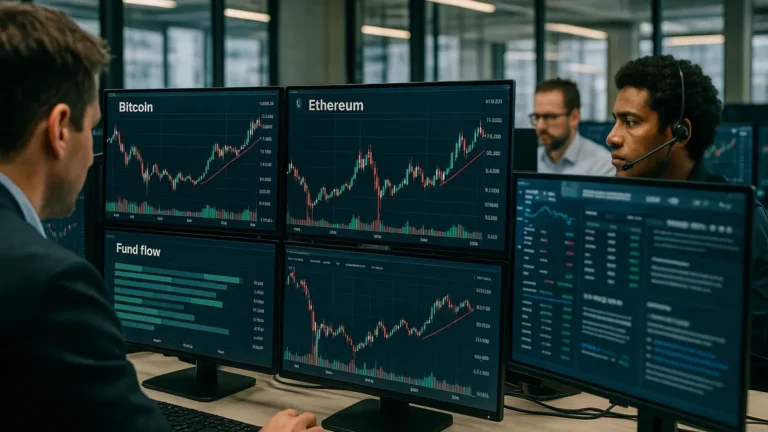

Bitcoin‘s recent plunge to a 15-month low, now hovering around $72,877, isn’t just a market fluctuation; it’s a harbinger of deeper turmoil within the cryptocurrency realm. This sharp decline, approximately 10% over the past week, raises urgent questions about the stability of digital currencies and the economic landscape they occupy.
What happened
The cryptocurrency market has experienced a significant downturn, with Bitcoin reaching its lowest price in over a year. This decline has not only affected Bitcoin but has also led to a broader sell-off across various digital assets.
As Bitcoin’s value dropped, panic selling ensued, causing a ripple effect throughout the cryptocurrency market. Investors reacted swiftly to the falling prices, leading to further declines in other cryptocurrencies.
This situation has created an atmosphere of uncertainty, prompting many investors to reassess their positions in the market.
Why it happened
The reasons behind this price drop are multifaceted. Geopolitical issues, including international conflicts and economic sanctions, have injected volatility into financial markets.
Investors, anxious about potential instability, often seek refuge in safer assets, triggering a domino effect that impacts cryptocurrencies like Bitcoin.
Additionally, the murky regulatory environment, with governments worldwide wrestling with how to manage digital currencies, has further contributed to the decline. The absence of clear guidelines stifles innovation and deters investment.
How it works
Understanding the dynamics of the cryptocurrency market is essential for grasping the implications of Bitcoin’s decline. The interplay between market sentiment and external factors, such as geopolitical tensions and regulatory uncertainties, shapes the behavior of investors.
Bitcoin’s price is influenced by a complex mix of factors, including technological advancements and market adoption. This complexity often leads to misconceptions about the nature of its value.
Many investors view cryptocurrencies primarily through a speculative lens, overlooking the foundational technologies that underpin them and the economic implications at play.
What changes
The current market conditions highlight a significant psychological impact on investors. The fear of missing out (FOMO) during price surges can swiftly transform into panic selling during downturns, creating a cycle of volatility.
As a result, a shift towards more risk-averse strategies may emerge, prioritizing stability over potential high returns. This cautious approach could stifle innovation in the long run, as investors become hesitant to engage with emerging technologies.

Moreover, the ongoing volatility may lead to heightened regulatory scrutiny as governments seek to address the risks associated with cryptocurrencies. Stricter regulations could introduce compliance costs and operational challenges that further influence investor sentiment and market dynamics.
Why it matters next
Ultimately, the interplay of geopolitical concerns, regulatory uncertainties, and shifting investor sentiment crafts a complex landscape that shapes Bitcoin’s trajectory and the broader cryptocurrency ecosystem.
Grasping these dynamics is essential for anyone looking to navigate this volatile market. The consequences of these shifts extend beyond mere price fluctuations, influencing how people perceive cryptocurrencies and make investment decisions.
As the cryptocurrency ecosystem continues to mature, the demand for clarity, stability, and informed decision-making becomes increasingly vital. Understanding these factors will be crucial for investors as they navigate the evolving landscape of digital currencies.
What are the potential risks associated with Bitcoin’s decline?
Bitcoin’s decline poses several risks, including increased volatility in the market and potential regulatory actions that could further impact investor confidence. The interconnectedness of cryptocurrencies means that a decline in Bitcoin can lead to broader market instability.
How can investors protect themselves in this volatile market?
Investors can protect themselves by diversifying their portfolios, staying informed about market trends, and adopting risk-averse strategies. Understanding the underlying technologies and market dynamics can also help investors make more informed decisions.
About the Author