

The main change is not a ban on prediction markets but a federal push to define and defend them as regulated derivatives venues. Under Chairman Michael Selig, the Commodity Futures Trading Commission has opened a formal rulemaking, told exchanges such as Kalshi and Polymarket what contracts raise manipulation concerns, and signaled that the next real boundary will be set not only by comments and guidance but by litigation over sports-related contracts.
Selig’s CFTC is replacing ad hoc fights with a formal rulebook
The CFTC has published an Advanced Notice of Proposed Rulemaking, or ANPRM, with a 45-day public comment period to ask how prediction markets should fit within the Commodity Exchange Act. That matters because the agency is no longer acting as if political and sports event contracts should be categorically pushed out of the market; it has withdrawn prior proposed rules that would have banned those categories outright.
This is also a jurisdictional move. The agency is asserting exclusive federal authority over these contracts and has already filed court briefs against the view, advanced by some state regulators, that sports-related event contracts are simply unlicensed gambling products under state law.
The new dividing line is manipulation risk, not a blanket rejection of event contracts
In parallel with the ANPRM, CFTC staff issued an advisory telling Designated Contract Markets to list only contracts that are not “readily susceptible to manipulation.” That phrase is doing most of the practical work: it shifts review toward how easy a market is to influence, who can affect the outcome, and whether surveillance can realistically catch abuse.
For sports-related markets, the advisory draws a clear distinction between broad outcomes and narrow event triggers. Contracts tied to an entire game or season are viewed as less vulnerable than contracts based on a single player’s action, a referee decision, or an injury, where a smaller number of actors may be able to distort the result or trade on nonpublic information.
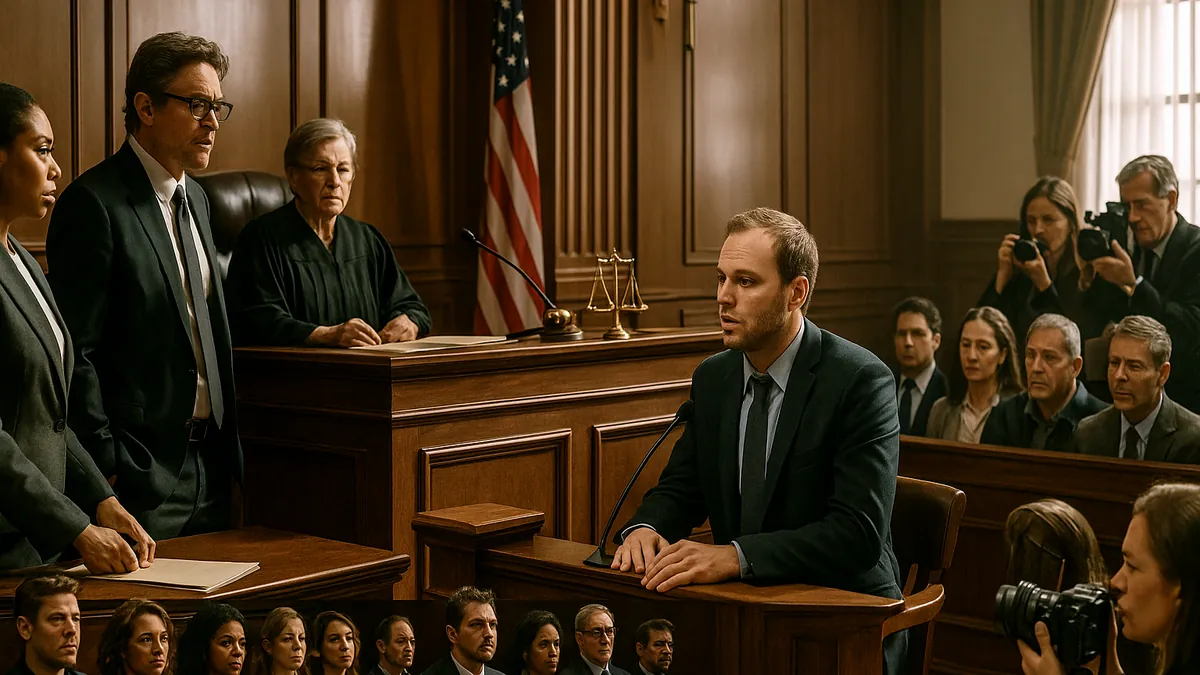
The staff also recommends coordination with sports leagues or governing bodies. That is a specific market-structure point, not a cosmetic one: if a venue cannot get reliable integrity monitoring, reporting channels, and cooperation around suspicious activity, the contract may fail the standard even if demand is strong.
What the CFTC is actually asking the market to comment on
The ANPRM is not limited to the usual jurisdiction question. It asks how existing CEA provisions should apply to prediction markets, how the statute’s prohibitions on “gaming” should be interpreted, and whether responsible gaming tools should be imported into a federally supervised derivatives setting.
That includes questions that matter for retail flow and venue design: should self-exclusion programs or advertising limits apply, and should event contracts be eligible for margin trading at all? If margin is allowed, the agency is considering what safeguards would be needed for retail participants, which makes this a liquidity and consumer-protection debate as much as a classification debate.
| Issue | Current CFTC direction | Why it matters for venues and traders |
|---|---|---|
| Political and sports event contracts | Prior blanket-ban proposals withdrawn; acceptance is being explored through rulemaking | Signals these markets are not being rejected outright, but they still face review and litigation risk |
| Manipulation standard | DCMs must avoid contracts readily susceptible to manipulation | Contract design becomes the first filter for listing decisions |
| Single-player or referee-based sports markets | Flagged as higher risk | These products are more exposed to insider trading, coordination, and outcome tampering concerns |
| Responsible gaming and retail safeguards | Under active review, including self-exclusion, ad limits, and margin safeguards | Could affect customer acquisition, leverage, and trading volume quality |
Signal versus narrative for crypto-linked platforms and liquidity watchers
The easy narrative is that prediction markets remain unregulated gambling platforms and that Washington is now trying to shut them down. The actual signal is narrower and more consequential: the CFTC is building a federal framework that could legitimize parts of the sector while raising the compliance bar for contract design, surveillance, and retail protections.
That distinction matters for platforms connected to crypto trading infrastructure. A venue may benefit from clearer federal treatment and stronger institutional credibility, but only if it can support real-time surveillance, investigate suspicious trading, and avoid markets whose structure invites manipulation. In that sense, this is less about raw user growth than about whether liquidity can sit inside products that are defensible under derivatives law and acceptable to courts.
The draft also points to one growth marker worth tracking carefully: applications for DCM registration have more than doubled over the past year, largely from firms focused on prediction markets. That is a stronger sign of industry commitment than headline trading volume alone, but it does not remove legal risk if a product category is later found to fall under state gaming authority.
The next checkpoint is not the comment deadline but the courts
The 45-day comment window will shape the record, and the CFTC’s guidance already gives exchanges a working standard. But the decisive checkpoint remains ongoing litigation over whether sports-related event contracts belong under the CFTC’s exclusive jurisdiction or under state gambling laws, with the possibility that the Supreme Court could eventually set the boundary.
For operators, the practical test is straightforward: can they show that a listed market is resistant to manipulation, supported by credible integrity controls, and properly situated within federal commodities law? For traders and investors, the near-term caution is also straightforward: regulatory acceptance is advancing, but product availability, leverage features, and venue expansion still depend on court outcomes that have not been settled.
Short Q&A
Is the CFTC trying to ban prediction markets?
Not based on this rulemaking. The agency has withdrawn earlier proposals that would have banned political and sports event contracts and is instead asking how to regulate them.
What contracts look most exposed under the current guidance?
Sports contracts based on single-player actions, referee decisions, or injuries. The CFTC staff flagged those as more susceptible to manipulation than broader game or season outcomes.
What should readers watch next?
Court rulings on whether sports-related event contracts are federally regulated derivatives or products subject to state gambling law. That decision will matter more than short-term headlines about comment letters.
About the Author