
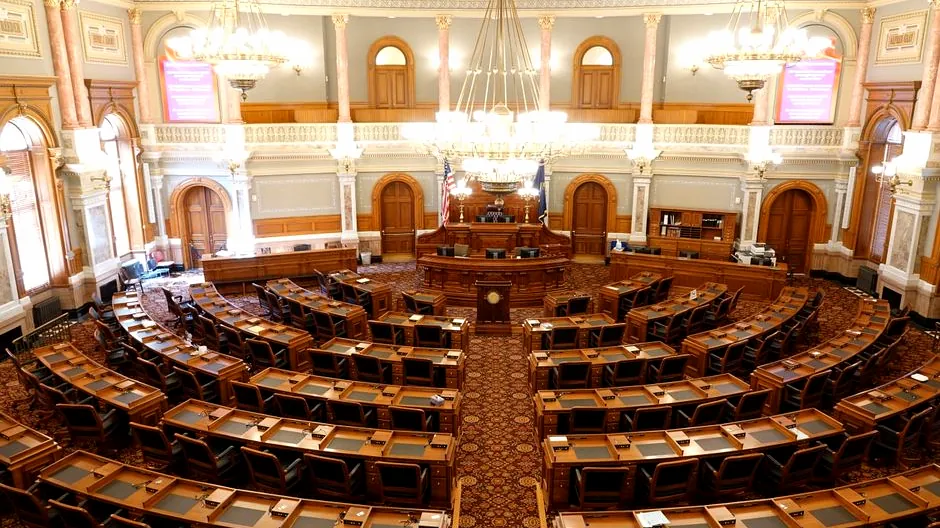
The CLARITY Act is not simply running into a vague bipartisan breakdown. Its path is narrowing because three concrete disputes are stacking on top of each other at once: Democratic demands for stronger ethics limits, law enforcement objections to Section 604’s DeFi and non-custodial developer treatment, and Senate procedure that now looks harder after the loss of a Republican vote. That combination matters more than headline industry support when judging whether the bill can move before the August recess.
The claim of “broad support” misses where the bill is actually stuck
The crypto industry still has a large stake in getting the bill passed. More than 100 companies and advocacy groups have backed the CLARITY Act because it would draw clearer lines between SEC and CFTC authority and reduce rule-by-enforcement risk. But that support has not translated into a clean Senate path, and prediction markets have already adjusted; odds of the bill becoming law have fallen below 40%, down from nearly 50% a week earlier.
That drop is better read as a response to specific unresolved provisions than as a generic loss of enthusiasm. Democrats have pressed for ethics language that would prevent a president from profiting from crypto holdings, an issue tied directly to President Trump in current debate. At the same time, parts of the industry have pulled back over restrictions on stablecoin yield products, while banking interests oppose any framework that could let stablecoins compete more directly with deposits used to fund loans.
Section 604 has become the main enforcement fight
The most important policy conflict is Section 604. Its treatment of non-custodial software developers and decentralized finance has triggered warnings from law enforcement groups that the bill could open investigative gaps in cases involving fraud, ransomware, and trafficking. For crypto markets, that is not a side dispute: if lawmakers believe the framework weakens enforcement capacity, support can disappear even among senators who want clearer digital asset rules.

The pushback is not uniform, which is why this issue is a real negotiation point rather than a settled veto. Major County Sheriffs of America moved from opposition to a neutral position after discussions over the bill’s intent and implementation. Even so, the group wants state and local law enforcement included in Treasury studies and advisory processes and wants resources directed to those agencies. That shift matters because it suggests Section 604 is amendable, but it also shows the bill has not yet solved the operational concerns that are delaying momentum.
The Senate path is longer than the market narrative suggests
Even if negotiators stabilize support around ethics language and Section 604, the CLARITY Act still has several procedural gates ahead. The next immediate checkpoint is a rescheduled Senate Banking Committee markup. After that, the bill would still need a full Senate vote and 60 votes for cloture, then reconciliation between Senate Banking and Senate Agriculture approaches, then alignment with the House-passed version, and finally the president’s signature. In a compressed pre-recess window, each unresolved amendment now carries more weight because a delay at one stage can push stress into all later stages.
Vote math has also become less forgiving. Senator Lindsey Graham’s death narrows the Republican majority, which makes leadership’s margin for defections smaller just as some Democrats are demanding stronger ethics provisions and some Republicans remain exposed to law enforcement criticism of Section 604. Senate leaders including Tim Scott and Cynthia Lummis can still negotiate changes, but this is no longer a story where industry alignment alone gets the bill over the line.
| Checkpoint | What needs to happen | Current constraint |
|---|---|---|
| Senate Banking Committee | Markup must be rescheduled and moved forward | No new markup date; talks recently broke down |
| Full Senate | Pass cloture with 60 votes and clear the chamber | Ethics objections, law enforcement concerns, tighter GOP numbers |
| Inter-committee and House alignment | Reconcile Senate Agriculture and House versions | Stablecoin yield and DeFi language can reopen coalition splits |
| Presidential signature | Final text must remain acceptable to the White House | Pushback on ethics restrictions targeting senior officials |
Signals that matter more than headline support numbers
For traders, operators, and policy watchers, the near-term signal is not another general statement of support from the industry. The better read comes from whether Senate Banking sets a new markup date and whether draft amendments directly narrow Section 604 or add ethics provisions with enough specificity to pull in skeptical Democrats without losing Republican or White House backing. Those are actionable signs that a coalition is being rebuilt rather than merely talked about.
Stablecoin language is the second checkpoint. If negotiators harden restrictions on yield-like products, some crypto supporters may stay uneasy; if they loosen them too far, banking opposition is likely to intensify. That makes the bill’s next phase less about whether Washington wants crypto legislation in principle and more about whether lawmakers can produce a version that does not create an enforcement blind spot, a presidential ethics liability, or a new fight over deposit competition.
Short Q&A for the next few weeks
Is the delay just proof that bipartisan crypto legislation is dead?
Not from the facts available here. The obstacle is narrower and more specific: ethics language, Section 604 enforcement concerns, and stablecoin product rules.
What is the most important immediate date to watch?
The rescheduling of the Senate Banking Committee markup. Without that, the rest of the legislative sequence cannot move on the current timetable.
What would count as a constructive signal?
Negotiated amendments that directly address law enforcement requests around Section 604 and give Democrats enough ethics cover to support cloture.
Why does this matter for crypto markets now?
Because the bill is a market-structure proposal, not a sentiment headline. If it stalls, the U.S. framework stays fragmented, which keeps project-specific regulatory risk and enforcement uncertainty high.
About the Author