
Skip to content
cryptoclashzone_logo

Primary Menu
  • Home
  • Market Signals
  • Crypto Economy
  • Deep Analysis
  • AI & Automation
  • Guides & Strategies
  • Exchanges
  • Regulation
Light/Dark Button
  • Home
  • Regulation
  • “How the SEC’s Case Dismissal Against Justin Sun Signals a Shift in Cryptocurrency Regulation”
  • Regulation

“How the SEC’s Case Dismissal Against Justin Sun Signals a Shift in Cryptocurrency Regulation”

admin 3 months ago 3 minutes read 0 comments
crowd of people sitting on chairs inside room

Overview of the SEC’s Case Against Justin Sun

The U.S. Securities and Exchange Commission (SEC) has recently dropped its case against Justin Sun, the founder of the Tron cryptocurrency platform. This decision follows a $10 million settlement, raising significant concerns about the influence of political connections on cryptocurrency regulation. Sun’s financial ties to former President Donald Trump add a layer of complexity to this situation, particularly as Congress debates digital asset legislation.

Initially, the SEC accused Sun and his companies, including the Tron Foundation and BitTorrent Foundation, of serious violations of federal securities laws. These violations included selling unregistered securities and engaging in market manipulation involving TRX and BTT tokens. By opting for a settlement, the SEC has effectively closed the door on any future legal actions against Sun for these allegations.

Concerns Over Regulatory Capture

A significant concern arising from this case is the concept of regulatory capture, where regulatory bodies may be unduly influenced by the industries they are supposed to oversee. Critics argue that the SEC’s leniency towards politically connected individuals like Sun undermines its credibility. This perception suggests that wealth and political affiliations can shield individuals from rigorous oversight.
You May Also Like
“How the SEC’s Settlement with Justin Sun Signals a Shift in Cryptocurrency Regulation”
Overview of the SEC Settlement with Justin Sun The recent settlement between the U.S. Securities and Exchange Commission


“How the SEC’s Settlement with Justin Sun Signals a Shift in Cryptocurrency Regulation”

“How the SEC’s Settlement with Justin Sun Signals a Shift in Cryptocurrency Regulation”

The implications of this leniency are profound, as it erodes public trust in regulatory agencies. If the SEC is perceived to prioritize political relationships over consistent enforcement, it risks fostering an environment where compliance is optional. This could lead to a chaotic regulatory landscape, where smaller firms struggle to navigate unclear regulations.

Impact on Investor Confidence

Investor confidence in the cryptocurrency market is precariously balanced. If the perception persists that regulatory protections are inconsistently applied, investors may hesitate to engage, leading to increased market volatility. The fear that regulatory actions could be swayed by political considerations creates an uncertain atmosphere for both current and potential investors.

As the cryptocurrency sector continues to evolve, the interaction between regulatory agencies and political figures will likely remain fraught with tension. The SEC’s handling of the Sun case highlights the difficulties regulators face in balancing enforcement with the influence of political and financial interests.

Moreover, if cryptocurrency firms perceive that enforcement is influenced by political ties, they might feel emboldened to disregard regulations. This mindset could further complicate the regulatory environment, making compliance seem less essential.

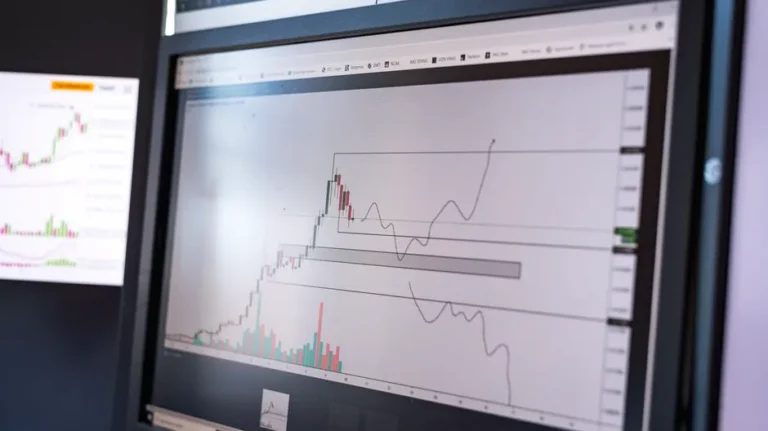
A stock trader analyzing cryptocurrency charts on multiple monitors and a tablet.

Future Implications for Cryptocurrency Regulation

The SEC’s decision to settle the case against Justin Sun marks a significant turning point in the ongoing debate surrounding cryptocurrency regulation in the United States. As lawmakers and regulators navigate this complex terrain, the implications of their decisions will reverberate throughout the industry.

Ongoing Congressional discussions about digital asset legislation will play a critical role in shaping the future regulatory framework. There is an urgent need for clear and consistent guidelines to ensure that all players in the cryptocurrency market are held to the same standards.

Ultimately, the intertwining of political influence and regulatory enforcement raises critical questions about the effectiveness of existing mechanisms. The potential for regulatory favoritism could stifle competition and innovation, creating a landscape that favors certain players over others.

External Sources
Warren Statement on the SEC Dropping Its Case Against Justin Sun | United States Committee on Banking, Housing, and Urba
Warren Accuses SEC of Backing Trump’s Corruption After Justin Sun Case Dropped – FinanceFeeds

About the Author

admin

Administrator

Visit Website View All Posts

Post navigation

Previous: Utexo’s $7.5 Million Funding: What It Signals for USDT and Bitcoin Transactions
Next: Aave Governance in Turmoil: Navigating Internal Conflicts Amid Market Shifts

Related Stories

Traders working on a cryptocurrency trading floor with screens showing Ethereum prices and blockchain data in a busy environment.
  • Regulation

Arbitrum Can Move the $71 Million in ETH, but Aave Cannot Freely Use It

admin 1 month ago 0
Police cyber crime squad analyzing blockchain data on computer screens in a modern office with forensic tools and evidence bags
  • Regulation

Australia’s 52.3 BTC Darknet Seizure Matters if 2027 Licensing Turns Today’s Police Case Into a Full AML Template

admin 1 month ago 0
Lawmakers and staff seated in a Senate Banking Committee hearing room during a financial legislation discussion.
  • Regulation

CLARITY’s Real Test on May 14 Is the Compromise: Yield Limits, CFTC Power, and Ethics All at Once

admin 1 month ago 0

Recent Posts

  • Upexi’s $109 Million Loss Was a Solana Mark-to-Market Hit, Not a Retreat From Its Treasury Plan
  • THYP’s real signal is not price hype but whether regulated staking demand shows up
  • This Was Not a Routine Package Hack: the Mistral and TanStack Compromise Turned Trusted CI Into a Worm
  • After Osero’s $13.5 Million Raise, the Real Test Is Whether Its $10 Million Risk Buffer Can Turn Sky Yield Into Distribution Infrastructure
  • Bhutan Sent 519.7 BTC to Binance and QCP as Its Mining-Built Reserve Keeps Funding Infrastructure

Recent Comments

No comments to show.

Archives

  • May 2026
  • April 2026
  • March 2026
  • February 2026

Categories

  • AI & Automation
  • Crypto Economy
  • Deep Analysis
  • Exchanges
  • Guides & Strategies
  • Market Signals
  • Regulation

You May Have Missed

Financial analysts working in an office with cryptocurrency charts and Solana token data on computer screens.
  • Crypto Economy

Upexi’s $109 Million Loss Was a Solana Mark-to-Market Hit, Not a Retreat From Its Treasury Plan

admin 4 weeks ago 0
A cryptocurrency trader at a desk with several monitors showing crypto market charts and prices in an office environment.
  • Market Signals

THYP’s real signal is not price hype but whether regulated staking demand shows up

admin 4 weeks ago 0
A software developer focused on multiple computer screens showing code and CI/CD workflows in a realistic workspace setting.
  • Deep Analysis

This Was Not a Routine Package Hack: the Mistral and TanStack Compromise Turned Trusted CI Into a Worm

admin 4 weeks ago 0
A person working at a cryptocurrency desk with screens showing blockchain and stablecoin yield data
  • Crypto Economy

After Osero’s $13.5 Million Raise, the Real Test Is Whether Its $10 Million Risk Buffer Can Turn Sky Yield Into Distribution Infrastructure

admin 4 weeks ago 0
Copyright © 2026 All rights reserved. | ReviewNews by AF themes.