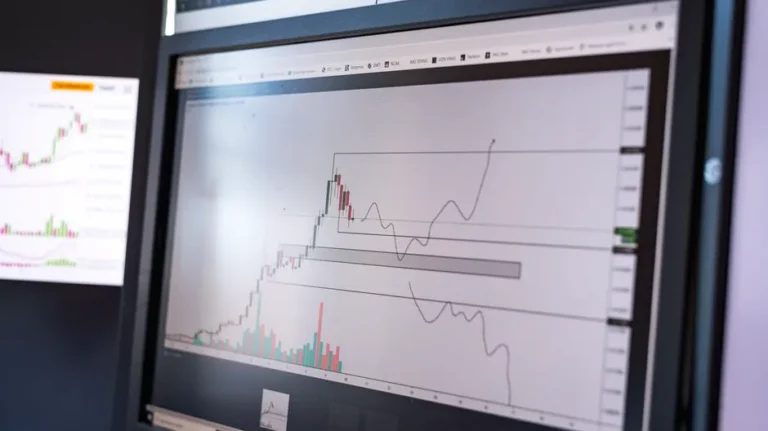

LALIGA North America’s new multi-year agreement with Polymarket is not just another fan-engagement sponsorship and it is not a standard sportsbook rollout. The deal gives Polymarket exclusive prediction market rights for LALIGA matches in the US and Canada, tying a blockchain-based market product to a major European soccer league’s North American expansion under a structure that puts sports integrity and regulatory durability at the center.
Exclusive rights tied to LaLiga’s North American commercial machine
The partnership sits inside LALIGA North America, the 20-year joint venture between LALIGA and Relevent that manages media rights and commercial activity across the US, Canada, and Mexico. That matters because this is not an isolated brand license. It is being inserted into the league’s existing regional distribution and sponsorship framework, where Relevent already controls how LALIGA is packaged and sold to North American audiences.
Under the agreement, Polymarket receives exclusive prediction market rights and permission to use LALIGA and club intellectual property for matches in the US and Canada. The commercial package includes premium broadcast visibility, digital and social programming, VIP match hospitality, and virtual meet-and-greets with LALIGA legends. In practical terms, that gives Polymarket a direct path into match-week content rather than limiting it to off-platform trading activity.
Why this is not the same thing as a sports betting launch
The easiest way to misread the announcement is to treat it as a disguised sports betting expansion. The actual positioning is narrower and more specific: a regulated prediction market integration that uses market pricing as a real-time signal of crowd expectations while keeping operational controls and integrity monitoring explicit in the deal.
That distinction matters for crypto readers because prediction markets sit at the intersection of liquidity, compliance, and media utility. A sportsbook mainly monetizes wagers against posted odds. A prediction market depends more on participant flow, price discovery, and the credibility of the market itself as an information surface. If liquidity is thin or the legal perimeter shifts, the product becomes less useful both as an engagement tool and as a signal. That is why the announcement leans so heavily on controlled distribution, official IP access, and oversight rather than simply promoting more ways to place action on matches.
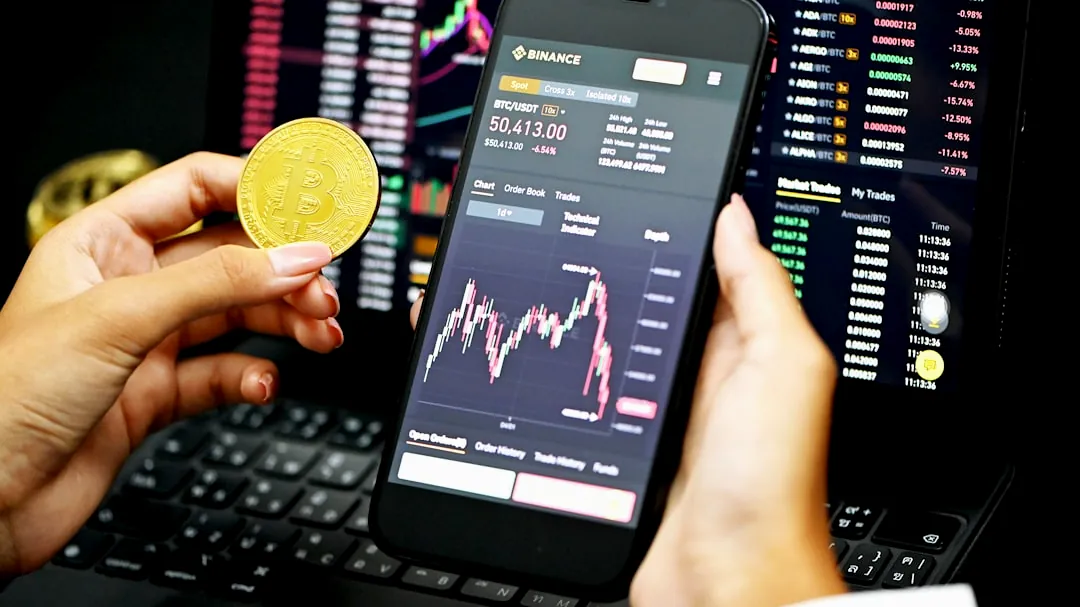
The integrity layer is part of the product, not just a disclaimer
Polymarket says it will use its sports integrity platform, built with Palantir Technologies and TWG AI, to oversee responsible market operations. That is one of the more important facts in the deal because official league partnerships in this category tend to fail if they cannot show monitoring, anomaly detection, and a credible response process around market behavior.
For LALIGA and Relevent, integrity is not a side issue. The league is trying to grow in North America without inviting the perception that it is outsourcing fan growth to a lightly supervised crypto product. For Polymarket, the burden is different: it needs to show leagues, regulators, and users that a blockchain-linked prediction venue can operate as a transparent market mechanism instead of becoming a reputational risk. The use of named infrastructure partners such as Palantir and TWG AI is part of that institutional signaling.
Where the deal fits in Polymarket’s broader sports footprint
This agreement extends an already visible North American strategy. Polymarket has existing league partnerships with MLB, NHL, UFC, and MLS, including exclusive rights tied to marquee events such as the MLS Cup. LALIGA is the first major European soccer league to take this route in the US and Canada, which gives the company a new test case: imported global sports IP paired with a regional prediction market format.
The commercial logic is straightforward. North American soccer audiences are fragmented across streaming, social, multilingual media, and second-screen consumption. Boris Gartner, CEO of Relevent, pointed to the need to move beyond older fan-engagement formats to match those habits. Polymarket fits that objective only if users actually treat these markets as part of match consumption rather than as a niche crypto feature.
| Checkpoint | Why it matters | What would count as a positive signal | What would weaken the thesis |
|---|---|---|---|
| Regulatory treatment in the US and Canada | The model depends on prediction markets being allowed to coexist with existing sports betting rules | Clear operating guidance, stable market access, no abrupt restrictions | Enforcement actions, product limitations, or jurisdictional fragmentation |
| User adoption around LALIGA events | Without sustained participation, pricing quality and engagement value fall | Repeat activity during matches, deeper liquidity, integration into social content | Thin markets, low repeat use, or activity concentrated only around headlines |
| Integrity monitoring performance | Leagues will not scale this model if monitoring looks cosmetic | Visible governance, credible oversight, low controversy around market conduct | Market manipulation concerns or questions about surveillance and response |
The useful lens for crypto readers: signal quality over sponsorship narrative
The real question is whether this partnership produces durable market structure, not whether it generates short-term attention. If regulation remains navigable and user participation is strong enough to support meaningful price discovery, LALIGA could become a model for how prediction markets integrate with official sports media ecosystems. If either condition fails, the deal will look more like a branded experiment than a new category.
For readers tracking signal versus narrative, the next checkpoints are practical: regulatory developments in the US and Canada, evidence of sustained user activity around LALIGA markets, and whether integrity tooling becomes a visible operating standard rather than a launch talking point.
Short Q&A
Does this cover all of North America?
Not in the same way. LALIGA North America operates across the US, Canada, and Mexico, but Polymarket’s exclusive prediction market rights in this deal are for the US and Canada.
Is this effectively a sportsbook partnership?
No. The announcement centers on prediction markets, official IP usage, and integrity controls, not a standard sportsbook distribution model.
What should investors and market observers watch first?
Regulatory treatment and user adoption. Those two variables determine whether the product can sustain liquidity and fit alongside existing sports betting frameworks.
About the Author